
As family members gradually recover from illness or accidents and begin rehabilitation training at home, home, the warmest harbor, becomes the most important “first battlefield” on the road to recovery.A safe and convenient home environment, along with a suitable assistive device, can not only prevent secondary injuries but also greatly boost the confidence of those recovering, making it possible to “take the first step again.”
Today, we want to share a true recovery story with you and compile a practical home safety guide. We hope it can provide some warm and effective help for you who are going through all of this.
A Father’s “First Step”
A year ago, Mr. Li’s father suffered a stroke, which resulted in right-sided limb weakness. When he was discharged from the hospital and returned home, his once familiar home became “fraught with danger”.
“I was most afraid of him going to the bathroom. If there were even a few water stains on the floor, the whole family would get nervous,” Mr. Li recalled. What worried him even more was that his usually strong-willed father had become very depressed due to his mobility issues and even resisted rehabilitation training.
The turning point came a month later. After consulting with a rehabilitation therapist, Mr. Li made several key modifications to his home and provided his father with a suitable walking aid.
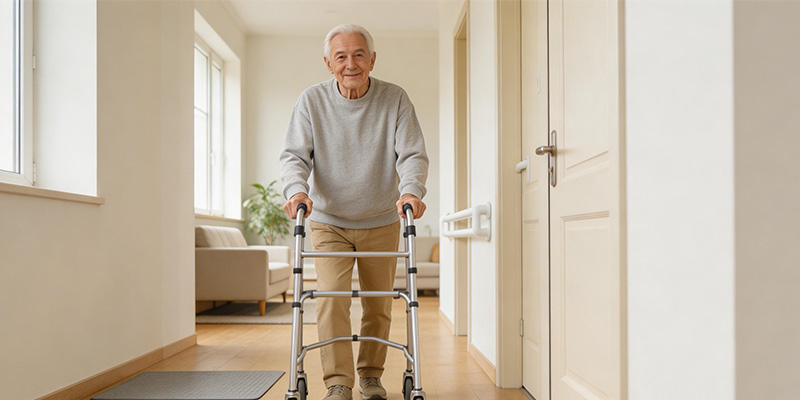
“The most obvious change is that he is willing to try to take a few steps on his own,” Mr. Li said. “The right assistive device is like a reliable partner, giving him the courage to rediscover his home.”From shakily walking to the bedroom window with the help of a walker, to being able to go to the bathroom safely on his own, and now being able to walk slowly for half an hour in the neighborhood, every step the father has taken has been accompanied by the meticulous preparation and scientific support of Mr. Li’s family.
This true story tells us that love and scientific support are the best medicine on the road to recovery. The following guide aims to support you and your family on your recovery journey.
Step 1: Checklist for Home Safety Hazards Investigation and Renovation
Please conduct a thorough, “carpet-style” search of your home, like a scout:
1.Ground:
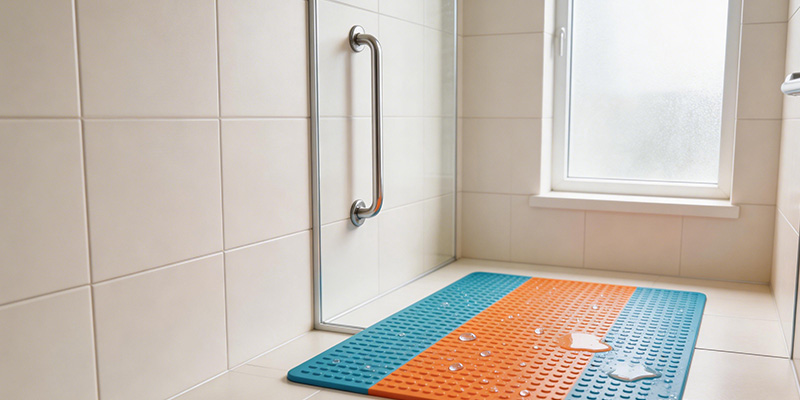
Remove the “stumbling blocks”: Put away all small rugs, doormats, and loose wires and clutter on the floor.
Anti-slip treatment: Lay anti-slip mats or apply anti-slip treatments in wet and slippery areas such as bathrooms and kitchens. Keep all floors dry and clean up any water stains immediately.
2.Lighting:
Adequate lighting: Ensure there is nightlight illumination along the route from the bedroom to the bathroom at night. The light switch should be within easy reach.
Reduce glare: Avoid direct light shining into the eyes; use soft, indirect lighting instead.
3.Handrails and passageways:
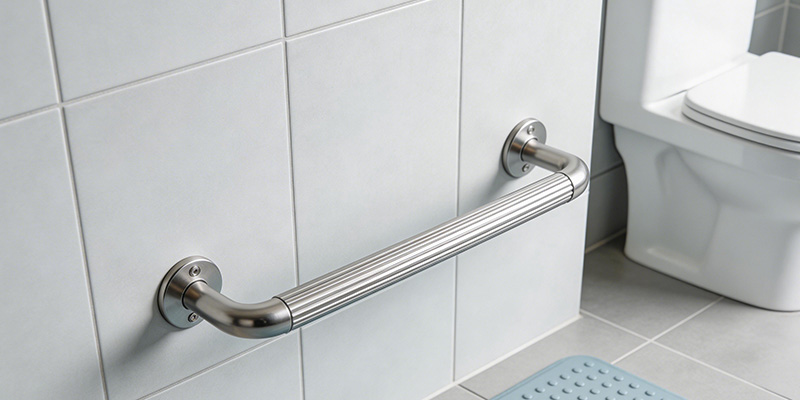
Install handrails in key locations: Install sturdy handrails next to the toilet, in the shower area, and in the hallway to facilitate support and leverage.
Keep passageways clear: Ensure all passageways are wide enough (at least 80 cm) to allow wheelchairs or walkers to pass. Adjust furniture layout to allow for ample turning space.
Step 2: How to choose suitable rehabilitation aids for family members?
Just as only the wearer knows if a shoe fits, the choice of rehabilitation aids is also crucial. An incorrect aid may be ineffective at best, and could even cause secondary injury at worst.
| Auxiliary equipment type | Applicable situations | Key Selection Points | Recommended follow function | Product |
| Wheelchair | Inability to walk or move long distances requires | Dimensions: The seat width, seat depth, and backrest height should be suitable for the user’s body shape
Safety: A reliable braking system and robust materials are required |
Adjustable armrests/pedals, foldable for storage, anti-tipping wheels | 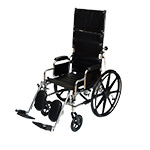 |
| Rollator | They have some ability to stand and walk, but require balance support | Stability: The frame structure is sturdy, and the support legs are non-slip
Height adjustable: It must be able to be adjusted to a suitable height according to the user’s height |
Wheeled walking aids (increase mobility flexibility), and models with seats (for convenient rest at any time) | 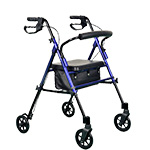 |
| Long term care bed | Prolonged bed rest or need for frequent care | Functions: Backrest lifting, leg lifting, and overall lifting functions can reduce the burden on caregivers and improve patient comfort
Guardrails: Safe and reliable guardrails are required to prevent falls |
Features include a side-turning function (to prevent bedsores) and a removable headboard and footboard | 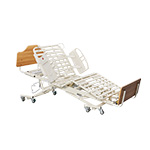 |
| Oxygen concentrator | The patient has respiratory problems and requires daily oxygen therapy | Oxygen concentration: must consistently meet medical standards (above 90%)
Continuous operation capability: Can it operate stably 24 hours a day without interruption? |
Quiet design (enhancing home comfort), atomization function (multi-functional) | 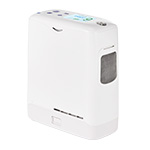 |
Paving the way to recovery with professionalism and love
Recovery is a long but hopeful process.As a medical device manufacturer with over 20 years of experience and products that have obtained multiple international certifications such as FDA/CE, JUMAO Medical understands the significance of every detail for patients recovering from illness.
Our wheelchairs, rolltors, long term care beds, and oxygen concentrators not only embody safety and quality, but also carry our heartfelt wishes for every user to “take their first step again.”We believe that the combination of technology and humanistic care can bring more peace of mind and strength to every family.
If you have any further questions about home rehabilitation environment modifications or assistive device selection, please feel free to visit our website or leave a message for consultation. Let us work together, with professionalism and love, to pave a hopeful road to recovery for your family.
Post time: Mar-06-2026