
The demand for home oxygen therapy is surging, and there are a wide variety of oxygen concentrator brands on the market, making it easy for beginners to choose the wrong one (e.g., insufficient flow, high noise, unsuitable for long-term use); Value of this article: Help beginners quickly sort out the purchasing logic, avoid ineffective expenses, and select a home oxygen concentrator that suits their own needs.
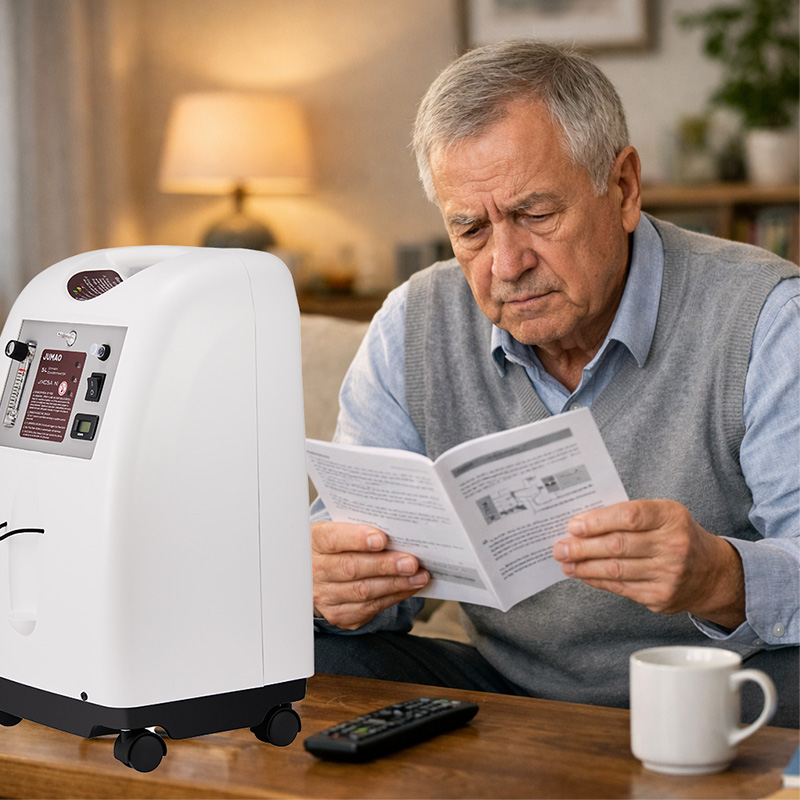
Analysis of Core Purchasing Parameters for Home Oxygen Concentrators (Key Point, Associated with Own Product Advantages)
Oxygen Concentration: Medical grade (93%±3%) vs Health care grade,suitable for different groups of people (the elderly/chronic disease patients must choose medical grade)
Oxygen Flow: 1-5L/min regular model, above 5L/min high-power model, corresponding to scenarios (daily health care, severe illness assistance)
Noise: Key for home use, ≤45dB(A) mute standard, suitable for the elderly to rest
Convenience: Size, weight, operation difficulty (suitable for the elderly to use independently, such as one-key startup, large-screen display)
After-sales: Lifetime maintenance, on-site installation, filter replacement services (highlight own after-sales advantage)
Common Pitfalls for Beginners to Avoid When Purchasing
Misconception 1: The higher the oxygen concentration, the better (excessive oxygen inhalation is risky, choose on demand)
Misconception 2: Focusing solely on price while ignoring key parameters(low-price machine may not meet oxygen concentration standards)
Misconception 3: Without considering after-sales service, filter replacement is inconvenient(long-term use requires regular filter replacement, making after-sales service crucial)
Recommendations for Different Groups (Naturally Implant Own Products)
Daily Health Care for the Elderly: Recommend lightweight and silent models
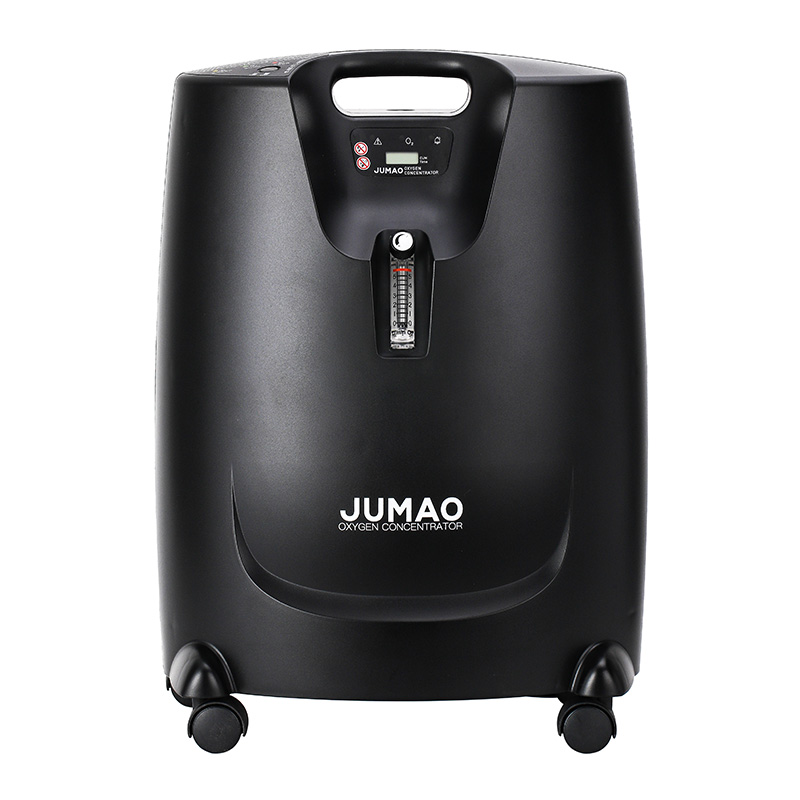
Chronic Disease Patients (COPD, asthma): Recommend medical-grade high-power models
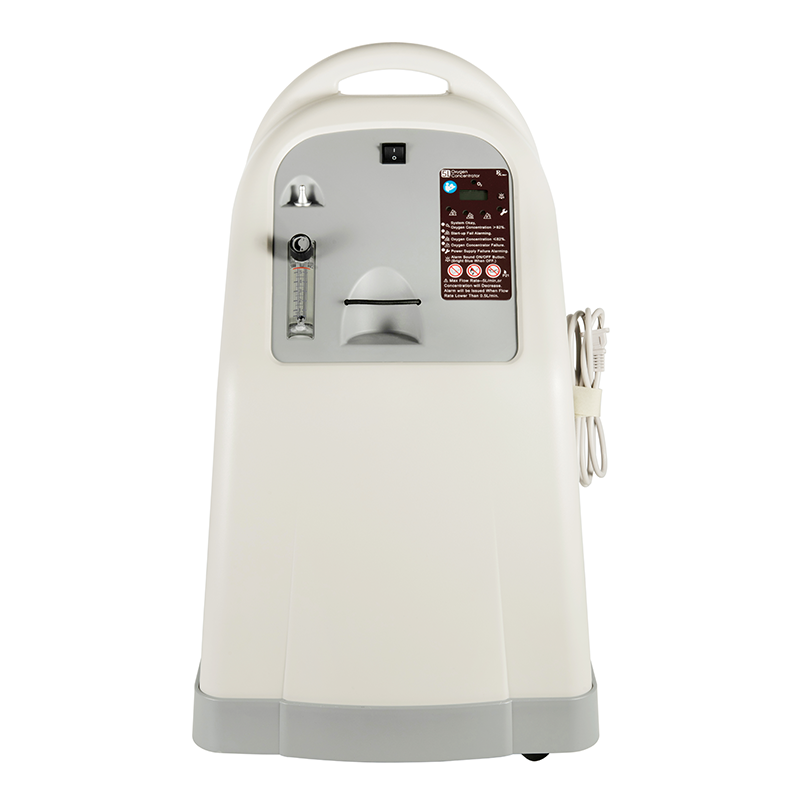
Home backup: Multifunctional model recommended
Post time: Feb-05-2026